Managing Stress in a Fast-Moving Digital World
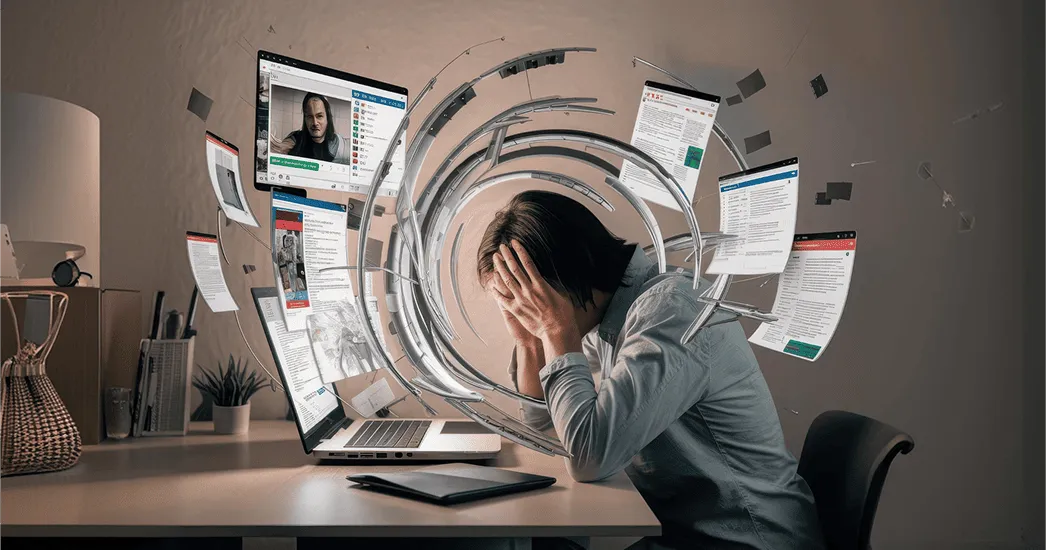
Modern life moves faster than ever before. Technology allows people to communicate instantly, access information quickly, and complete tasks with greater efficiency. While these advancements have created convenience and new opportunities, they have also introduced new forms of stress.
Emails arrive continuously, notifications demand attention, and the pressure to stay connected often follows people beyond traditional working hours. For many individuals, the boundaries between professional responsibilities and personal time have become less clear.
As a result, managing stress has become an important skill in the digital age. Learning how to balance technology use, maintain mental well-being, and create space for rest is essential for maintaining a healthy lifestyle.
Understanding how to manage stress in a fast-moving digital environment can help individuals maintain focus, improve emotional balance, and protect their long-term health.
Why Stress Has Increased in the Digital Era
Technology has transformed the way people work and interact. While digital tools improve productivity, they also create environments where individuals feel constantly connected.
Many professionals now experience situations where work messages arrive at any hour, meetings occur across multiple time zones, and responsibilities extend beyond traditional office hours.
The constant flow of information can make it difficult for the brain to relax. Instead of having clear periods of work and rest, individuals may feel the need to remain alert and responsive throughout the day.
In addition, social media platforms often expose users to large amounts of information and comparison with others, which can contribute to feelings of pressure or anxiety.
Over time, these factors can create mental fatigue and emotional strain if not managed carefully.
Recognizing the Signs of Stress
Stress does not always appear suddenly. In many cases, it develops gradually as individuals experience ongoing pressure or mental overload.
Some common signs of stress may include:
- Difficulty concentrating
- Feeling constantly overwhelmed
- Increased irritability
- Fatigue or low energy levels
- Trouble sleeping
- Reduced motivation
When these symptoms appear frequently, it may indicate that stress levels are becoming difficult to manage.
Recognizing these signs early allows individuals to take steps toward improving their mental balance before stress becomes more serious.
Awareness is an important first step in managing emotional well-being.
Setting Boundaries With Technology
One of the most effective ways to manage stress in a digital environment is by setting clear boundaries with technology.
Because smartphones and digital tools provide constant access to work and communication, it can become easy to feel obligated to respond immediately to every message or notification.
Creating boundaries helps restore balance.
For example, individuals may choose to limit work-related communication after certain hours or designate specific periods for checking emails and messages.
Turning off non-essential notifications can also reduce interruptions during important tasks or personal time.
By controlling when and how technology is used, individuals can prevent digital devices from dominating their attention throughout the day.
Taking Regular Breaks From Screens
Long hours of screen use can contribute to both mental and physical fatigue.
Staring at digital screens for extended periods may lead to eye strain, reduced concentration, and increased stress levels.
Taking short breaks during the workday helps the brain recover and maintain focus.
Simple actions such as standing up, stretching, walking briefly, or looking away from screens can refresh the mind.
These small pauses allow individuals to reset their attention and return to tasks with improved clarity.
Regular breaks also reduce the feeling of being mentally overwhelmed by continuous digital activity.
Practicing Mindfulness and Relaxation
Mindfulness practices have become increasingly popular as tools for managing stress.
Mindfulness involves focusing attention on the present moment rather than worrying about past events or future responsibilities.
Techniques such as deep breathing, meditation, or quiet reflection can help calm the mind and reduce stress levels.
Even a few minutes of mindful breathing can create noticeable improvements in emotional balance.
Relaxation activities such as listening to music, spending time in nature, or engaging in hobbies can also support mental well-being.
These practices encourage individuals to step away from digital distractions and reconnect with themselves.
Maintaining Physical Activity
Physical activity is one of the most effective natural stress relievers.
Exercise helps release endorphins, chemicals in the brain that promote positive emotions and reduce tension.
Regular movement also improves sleep quality and energy levels.
Activities such as walking, jogging, cycling, or yoga can help individuals manage stress more effectively.
Physical activity does not need to involve intense workouts. Even moderate movement practiced consistently can support both physical and mental health.
Including regular exercise in daily routines provides a healthy outlet for stress.
Creating Digital-Free Time
Another helpful strategy is creating periods of time that are free from digital devices.
Digital-free moments allow individuals to disconnect from the constant flow of information and reconnect with their surroundings.
These moments might involve spending time with family, reading a book, cooking, or enjoying outdoor activities.
Creating technology-free time before bedtime can also improve sleep quality by allowing the mind to relax naturally.
When individuals step away from digital environments regularly, they often experience improved focus and emotional balance.
Building Healthy Daily Routines
Daily routines provide structure and predictability, which can help reduce stress.
Simple routines that include balanced meals, regular exercise, adequate sleep, and time for relaxation contribute to overall well-being.
When healthy habits become part of everyday routines, individuals may feel more in control of their schedules and responsibilities.
Establishing routines also helps create clear boundaries between work time and personal time.
Over time, these routines support mental stability and reduce feelings of chaos that can arise from constantly changing schedules.
Seeking Support When Needed
Managing stress does not always need to be done alone.
Talking with friends, family members, or trusted colleagues can provide emotional support and helpful perspectives.
In some cases, professional support from counselors or mental health professionals may also be beneficial.
Seeking support is a healthy and proactive step toward improving well-being.
Open conversations about stress can help reduce feelings of isolation and encourage healthier coping strategies.
Conclusion
The digital world offers many benefits, but it also introduces new challenges that can affect mental well-being.
Constant connectivity, information overload, and high expectations can create environments where stress becomes difficult to manage.
By setting boundaries with technology, taking regular breaks, practicing mindfulness, and maintaining healthy routines, individuals can protect their mental health in a fast-moving digital environment.
Managing stress requires awareness, balance, and intentional habits. With thoughtful adjustments to daily routines, it is possible to enjoy the advantages of modern technology while maintaining emotional stability and overall well-being.
Recent Blogs

Why Cybersecurity Is No Longer Optional for Any Business
Cybersecurity is no longer just a concern for large corporations. Every business using digital systems now faces real security risks and responsibilities.

Gadgets That Actually Improve Daily Life
The gadgets people keep are often simple, quiet, comfortable, and useful enough to remove small daily frustrations without demanding attention.

Small Business vs Startup: What’s the Difference?
Small businesses and startups may look similar, but they operate with completely different goals, growth expectations, and business strategies.

The Biggest Tech Myths Businesses Still Believe
Common tech myths businesses still believe can quietly waste time, weaken systems, and stop teams from using technology effectively.

Why Many Businesses Fail Even With a Good Product
A good product alone is rarely enough for business success. Many companies fail because of weak visibility, poor operations, bad timing, or lack of adaptability.

The Environmental Impact of Gadget Consumption
Gadget consumption affects the environment through production, waste, repairs, packaging, and everyday buying habits that often go unnoticed.