Why Many Businesses Fail Even With a Good Product
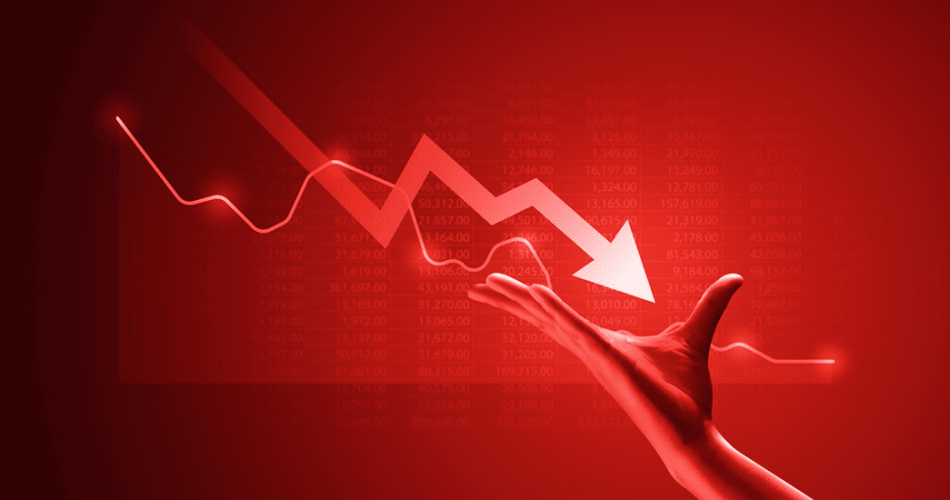
You see this happen often. A product works, customers are happy, and some even recommend it. Then, after a while, the business simply becomes history. It just… disappears.
The painful truth is this: a good product alone has never been enough. Most failed businesses didn’t collapse because their product was bad. They failed because everything around the product wasn’t strong enough to support it.
A Good Product Doesn’t Automatically Mean People Will Notice
One of the biggest assumptions founders make is that quality sells itself. It doesn’t.
If people don’t know your product exists, how good it is doesn’t matter. Visibility is not a bonus anymore - it’s a requirement. Many businesses spend months perfecting what they’re building and almost no time thinking about how it will actually reach the right audience.
By the time they understand that marketing actually matters, things are already going wrong.
Customers Don’t Buy Logic, They Buy Clarity
Another problem shows up in how products are explained. Business owners often understand their product too well. They talk about features, specifications, and internal logic, assuming customers will connect the dots. Most don’t.
People don’t want to decode what you’re offering. They want to immediately understand how it helps them. If that message isn’t clear within seconds, they move on - even if the product itself is solid. Confusion kills interest faster than a bad review.
Poor Timing Can Sink the Right Idea
Sometimes the product isn’t wrong. The timing is.
Markets change faster than many businesses expect. Customer behaviour shifts. Budgets tighten. New alternatives appear. Something that made sense last year can suddenly stop feeling useful. Some businesses keep pushing the same idea anyway, just because they believe it should still work. It isn’t. Timing and flexibility matter more than being early or original.
Operations Break Before the Product Does
Behind the scenes, many businesses struggle with the basics. Customer support becomes slow. Internal processes stay messy. Small issues pile up. What starts as a minor inefficiency turns into daily frustration - for both teams and customers.
A good product can’t survive bad operations for long. If using the product doesn’t feel reliable, people stop coming back, even when the product itself works well.
Running Out of Money Happens More Often Than People Think
This part rarely gets talked about honestly. Many businesses don’t fail because they’re unprofitable long-term. A lot of businesses shut down simply because they run out of money. Not because the idea was bad, but because the numbers didn’t hold up for long enough.
A great product can still die if the business behind it doesn’t manage money carefully.
Founders Get Too Emotionally Attached
This is something people usually avoid admitting. At times, owners get too fixed on their own ideas and stop listening to others. Feedback feels personal. Criticism gets ignored. Clear warning signs are brushed off. The product may be good, but refusing to evolve it is what ultimately causes failure.
The Real Reason Businesses Fail
Most businesses don’t fail because the product is bad.
They fail because:
-
People don’t hear about it
-
They don’t understand it quickly
-
The business can’t support it properly
-
Or the founders don’t adapt when they need to
A good product is only the beginning. What really matters is how well people understand it, when it’s launched, and how the business is run every day.
And that’s the part many people underestimate.
Recent Blogs

Why Cybersecurity Is No Longer Optional for Any Business
Cybersecurity is no longer just a concern for large corporations. Every business using digital systems now faces real security risks and responsibilities.

Gadgets That Actually Improve Daily Life
The gadgets people keep are often simple, quiet, comfortable, and useful enough to remove small daily frustrations without demanding attention.

Small Business vs Startup: What’s the Difference?
Small businesses and startups may look similar, but they operate with completely different goals, growth expectations, and business strategies.

The Biggest Tech Myths Businesses Still Believe
Common tech myths businesses still believe can quietly waste time, weaken systems, and stop teams from using technology effectively.
The Environmental Impact of Gadget Consumption
Gadget consumption affects the environment through production, waste, repairs, packaging, and everyday buying habits that often go unnoticed.

Do AI Tools Actually Save Time for Small Businesses?
AI tools are changing how small businesses handle repetitive tasks, communication, and admin work. Some tools save time quietly while others create extra work.